
At Park St Dental Practice, we assess and manage teeth grinding (bruxism), headaches, and TMJ disorders (Temporomandibular Joint Dysfunction). These conditions can cause ongoing headaches, jaw pain, facial discomfort, and other symptoms that may significantly affect your comfort, sleep, and quality of life.
At Park St Dental Practice, we assess and manage teeth grinding (bruxism), headaches, and TMJ disorders (Temporomandibular Joint Dysfunction). These conditions can cause ongoing headaches, jaw pain, facial discomfort, and other symptoms that may significantly affect your comfort, sleep, and quality of life.
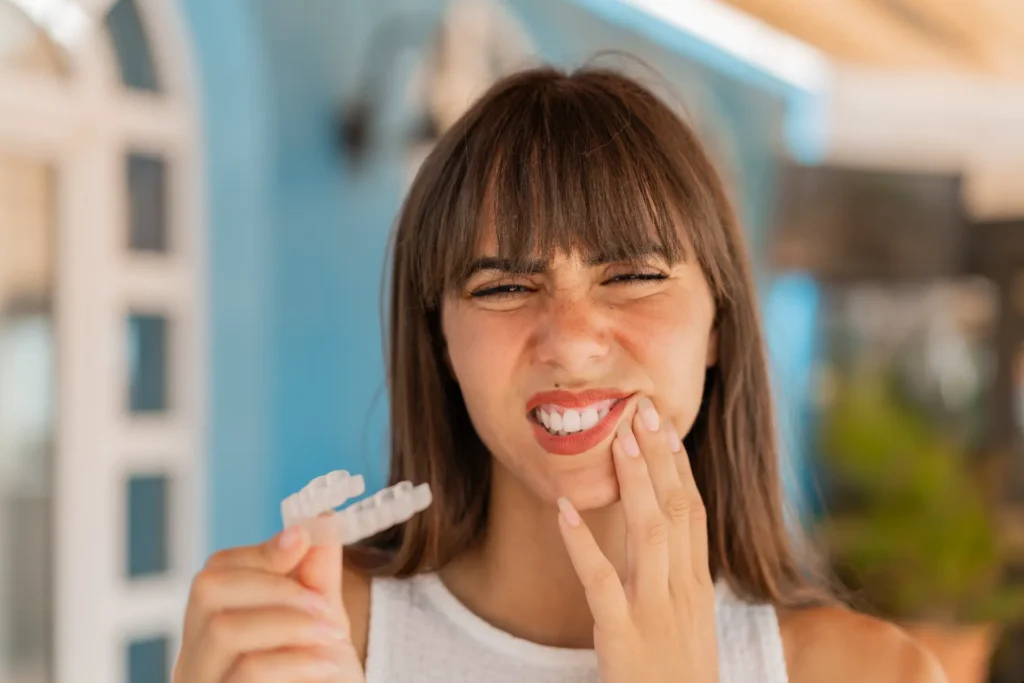
Bruxism can occur during sleep or while awake, and many people are unaware they grind or clench their teeth until symptoms develop or a partner notices grinding sounds at night.
By managing teeth grinding early, we help protect your smile, reduce jaw pain, and prevent long-term damage to your teeth and jaw joints.
Teeth grinding — medically known as bruxism — is the involuntary clenching, grinding, or gnashing of the teeth that is not part of normal chewing or speaking. It commonly occurs:
If left untreated, bruxism can lead to excessive tooth wear, jaw muscle soreness, and strain on the temporomandibular joints (TMJs).
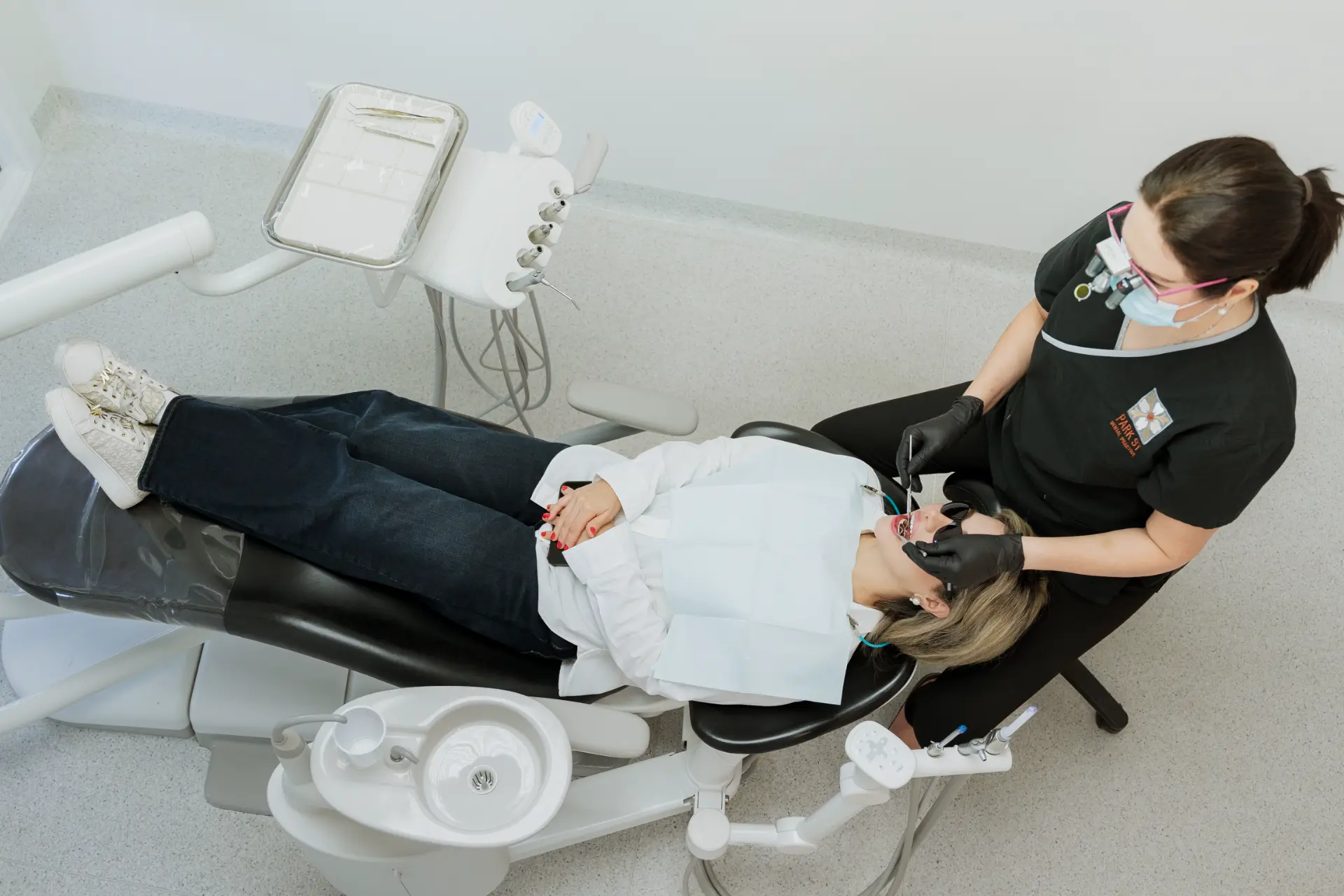
During your consultation at Park St Dental Practice, our dentists will:
This thorough assessment allows us to develop a personalised and holistic treatment plan tailored to your needs.
Treatment for bruxism focuses on protecting your teeth, relieving discomfort, and addressing contributing factors.
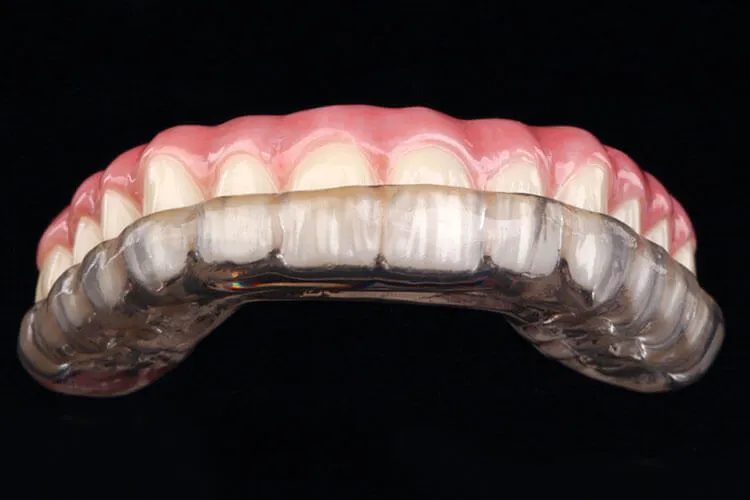
Custom-made night guards (also known as occlusal splints) are designed to fit your bite precisely. They help protect your teeth from grinding forces during sleep while reducing strain on the jaw joints and muscles.
Managing stress, improving sleep habits, and increasing awareness of daytime clenching can significantly reduce symptoms. Simple techniques such as jaw relaxation exercises and avoiding stimulants in the evening may support long-term improvement.
If bruxism has caused damage to your teeth or restorations (such as fillings or crowns), restorative dental treatment may be recommended as part of your overall care plan.

While bruxism may seem minor initially, ongoing grinding or clenching can lead to:
Early assessment and intervention help preserve your oral health, reduce pain, and prevent more complex dental issues in the future.
During your consultation, we will assess your oral health and jawbone structure to determine the most suitable treatment plan for your needs.
If you suspect that you or a loved one may be grinding their teeth, or if you’re experiencing jaw pain, facial discomfort, or morning headaches, contact Park St Dental Practice today.
We’re here to support your comfort, protect your smile, and help you sleep easier.
to book your consultation and take the first step toward a healthy, functional, and beautiful smile.
Posted onTrustindex verifies that the original source of the review is Google. Simply the best! Neda is a wonderful dentist and from the moment you walk in you are made to feel welcome, like visiting old friends.Posted onTrustindex verifies that the original source of the review is Google. I had been trying to book to see a Dentist for the last couple of months in the CBD. But I'm so glad I went locally. Can't find a better dental practice. The Receptionist was exceptionally lovely, and took the time to help me and look after me whilst I was there as I am afraid of the dentist. Also very easy booking experience. On top of that, Dentist Hui was exceptional and his assistant, made sure i was comfortable and was a surprisingly quick extraction for two wisdom teeth. Recovery has been great as well, a testament to his skill. Highly recommend this clinic if you are not sure where to go, especially if you are going by yourself you will be well looked after.Posted onTrustindex verifies that the original source of the review is Google. Great staff and excellent Dr!! Planning to go back next time.Posted onTrustindex verifies that the original source of the review is Google. Very gentle and professional. The clinic is exceptionally clean and ultra efficient.Posted onTrustindex verifies that the original source of the review is Google. Very good and professional work.Posted onTrustindex verifies that the original source of the review is Google. Amazing and caring team. My boy was so comfortable and confident I was surprised. 100% recommend them ????